Key takeaways
- Most professionals do not need to become technologists to stay relevant, but they do need practical AI fluency.
- Career relevance in the AI era depends on understanding changing tasks, strengthening human judgment, and choosing focused learning.
- Existing professional experience remains valuable when it is translated into the next version of work.
Many professionals are quietly asking the same question.
"Do I need to become technical to stay relevant?"
The short answer is no.
You do not need to become a software developer, data scientist, or machine learning specialist to have a strong future at work.
Some people will choose that path. Most will not need to.
What most professionals need is a clear understanding of how work is changing, how their role may be affected, and what skills will help them remain useful, adaptable, and confident.
Staying relevant in the AI era is not about becoming someone else.
It is about understanding where your value sits now, and how to strengthen it for what comes next.
The fear is understandable
When people hear that AI is changing work, they often imagine the worst.
They picture jobs disappearing. They worry their experience will become outdated. They assume younger or more technical workers will have an advantage.
For mid-career and experienced professionals, this can feel especially personal.
You may have spent years building expertise. You may have followed the rules, gained experience, taken responsibility, and built a reputation. Now the workplace seems to be shifting again.
It is reasonable to feel unsettled.
But fear is not a career strategy.
Clarity is.
Research from organizations such as the World Economic Forum, OECD, and Statistics Canada continues to show that work is changing unevenly. Some tasks are more exposed to automation than others. Some roles will change more than they disappear. Many jobs will require a different mix of skills rather than a complete reinvention.
That distinction matters.
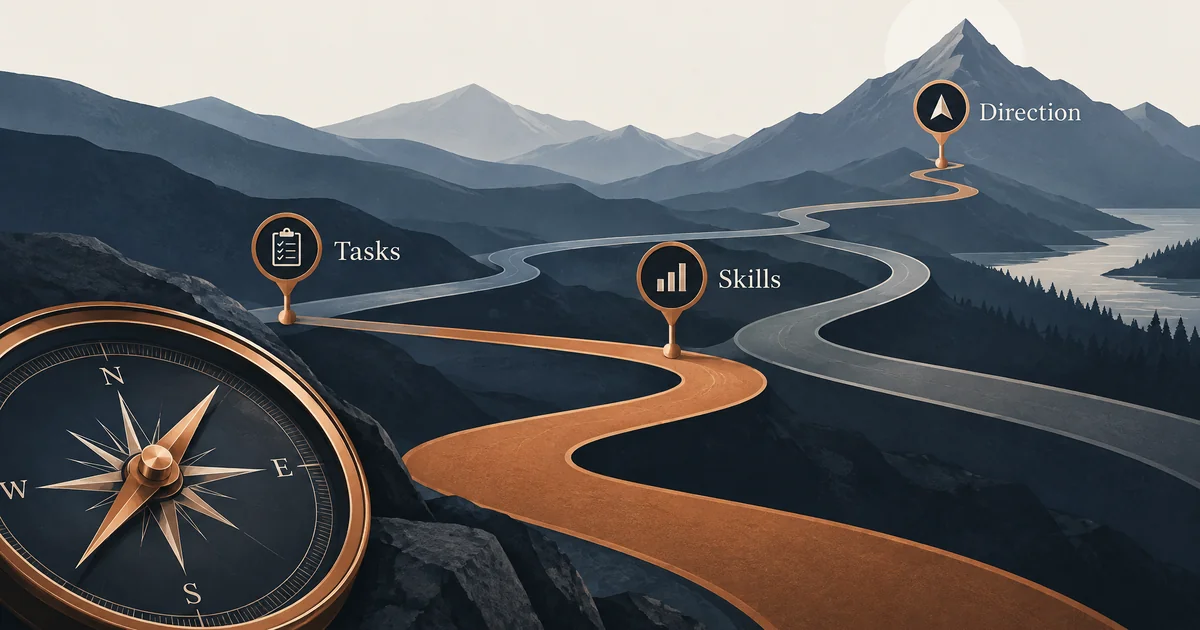
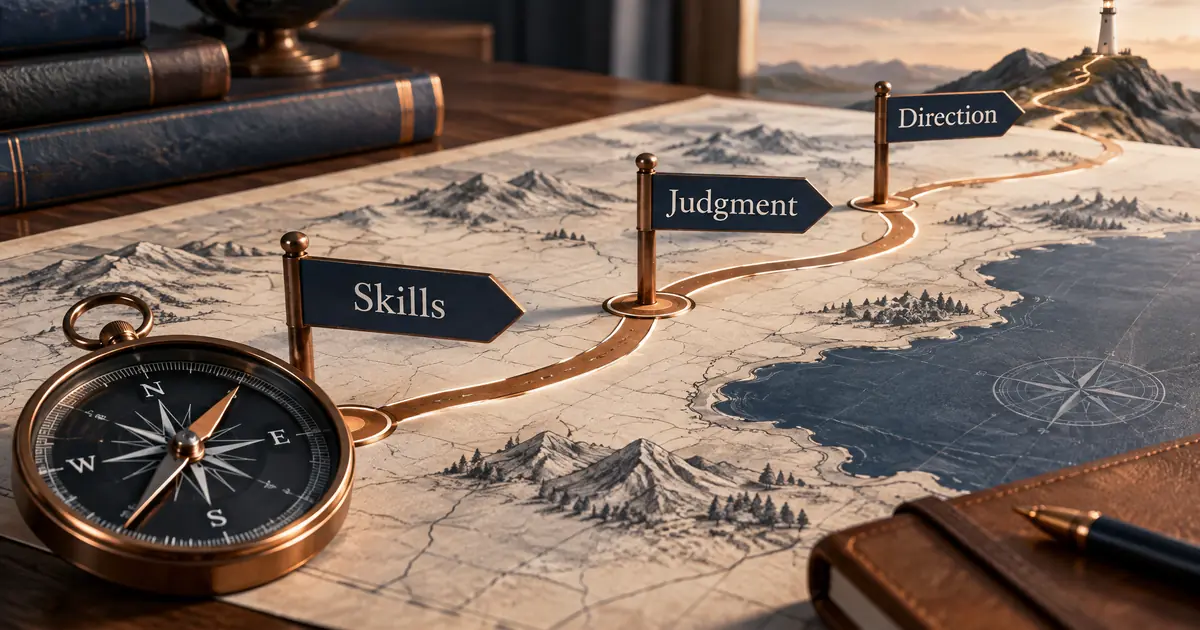
You may not need a new career. You may need a better map of your current one.
Relevance is not the same as technical expertise
There is a difference between understanding technology and building technology.
Most professionals do not need to build the tools.
They need to know how to work wisely with them.
That means understanding:
- What AI can and cannot do
- How it may affect tasks in your field
- Where human judgment is still required
- How to ask better questions
- How to review outputs carefully
- How to protect quality, privacy, and trust
- How to keep learning without becoming overwhelmed
This is not deep technical expertise.
It is practical fluency.
Think of it like financial literacy.
You do not need to be an accountant to manage your money responsibly. But you do need enough understanding to make good decisions, ask good questions, and avoid obvious mistakes.
AI fluency works the same way.
Your existing experience still matters
One of the biggest mistakes professionals make is assuming their existing experience has lost value.
It has not.
In many cases, it becomes more important.
AI can process information quickly, but it does not replace lived professional judgment. It does not understand workplace politics, client trust, leadership pressure, ethical trade-offs, or the context behind a decision in the same way a person does.
Your experience helps you know what matters.
It helps you spot weak reasoning.
It helps you ask better questions.
It helps you understand when an answer is technically correct but practically wrong.
These are not small things.
They are part of your career value.
For example, a project manager does not need to become a programmer to remain relevant. But they may need to understand how AI tools affect planning, reporting, team communication, and risk management.
A teacher does not need to become a technologist. But they may need to understand how students use AI, how learning is changing, and how to guide responsible use.
A human resources professional does not need to build AI systems. But they may need to understand how hiring tools, employee data, and workplace policies are changing.
The goal is not to abandon your professional foundation.
The goal is to update it.
The skills that keep professionals relevant
Staying relevant is not only about learning tools.
In fact, tools change quickly. A tool you learn today may not be the one your workplace uses next year.
More durable skills matter.
These include:
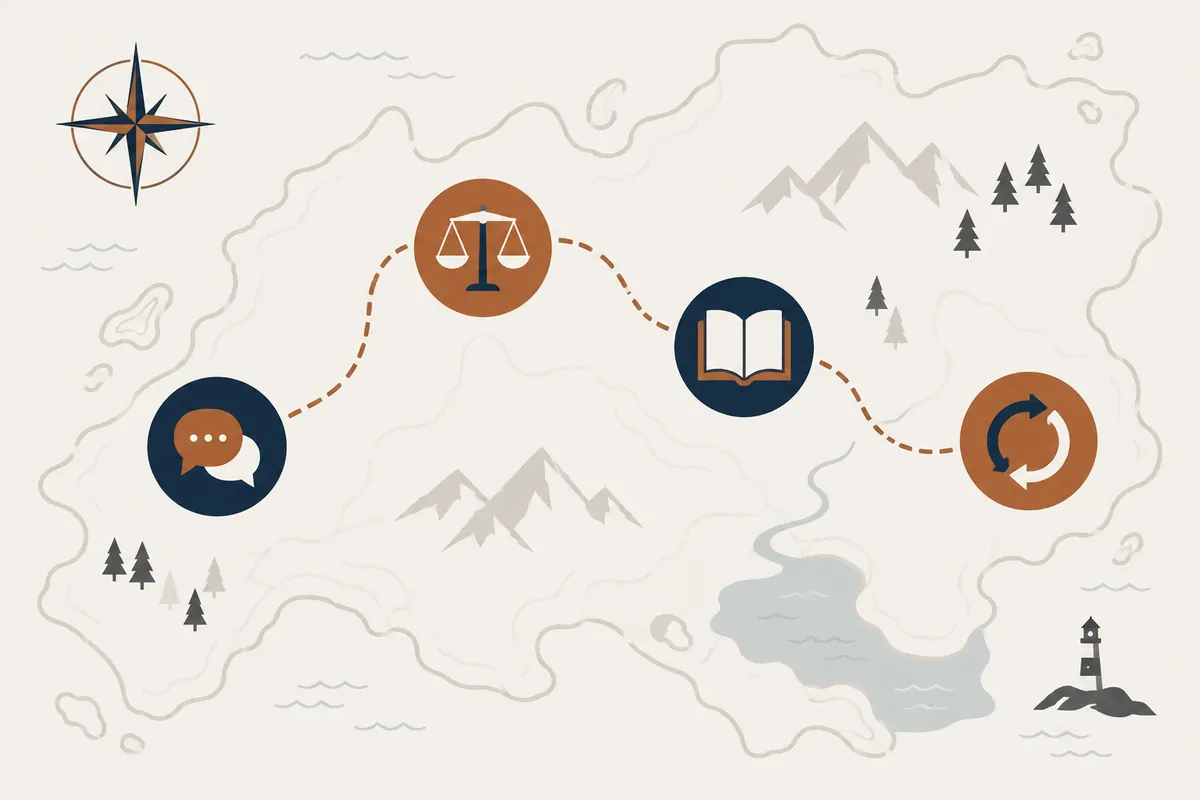
- Clear communication
- Sound judgment
- Problem-solving
- Critical thinking
- Ethical reasoning
- Collaboration
- Adaptability
- Learning ability
- Leadership
- Client or stakeholder understanding
These skills are not old-fashioned. They are becoming more important because technology increases the amount of information people must sort through.
Someone still has to decide what matters.
Someone still has to understand the customer, student, patient, employee, team, or community being served.
Someone still has to take responsibility for the final decision.
That someone is a person.
Where technical learning does help
Saying you do not need to become a technologist does not mean you should ignore technology.
You still need enough understanding to participate in the modern workplace.
That may include learning how to:
- Use AI tools safely for routine work
- Write clearer prompts or instructions
- Check outputs for accuracy
- Understand privacy and confidentiality limits
- Recognize bias or weak assumptions
- Automate simple repetitive tasks
- Collaborate with technical colleagues
- Discuss AI use with clients or teams
This is practical learning.
It is not about chasing certificates to feel safe.
It is about building confidence through use.
The best learning often starts with your own work.
Ask:
- What tasks take too much time?
- What information do I often need to organize?
- What writing or planning do I repeat?
- Where do I need a better first draft?
- Where do I need help thinking through options?
Start there.

Career relevance starts with direction
Many people respond to change by collecting courses.
Courses can help, but only if they fit a direction.
Without direction, learning becomes another form of confusion.
Before deciding what to learn, ask:
- What role do I want to grow into?
- What work do I want to do more of?
- What work do I want to move away from?
- What skills are becoming more important in my field?
- What gaps are actually limiting me?
This is where career advising matters.
A good career plan does not tell you to learn everything.
It helps you choose what matters next.
The 4D Career Blueprint begins with Discover for this reason. You need to understand yourself and your current position before you can design a practical path.
You can adapt without starting over
Career change does not always require a full reset.
Sometimes it means repositioning.
A finance professional may move toward business analysis.
A communications professional may move toward change management.
A teacher may move toward learning design.
An operations manager may move toward process improvement.
A career coach may integrate AI career readiness into their practice.
In each case, the person is not throwing away past experience. They are building a bridge from it.
This is often the most practical way forward.
Start with what you know. Add what you need. Move with intention.
A better question to ask
Instead of asking, "Do I need to become technical?" ask these questions:
- What parts of my work are changing?
- What do I need to understand to keep doing good work?
- Which skills will make me more adaptable?
- Where does my human judgment create value?
- What is one practical step I can take now?
These questions lead to better decisions.
They also reduce the pressure to become someone you are not.
You do not need to become a technologist to stay relevant.
You do need to become more aware, more adaptable, and more intentional.
That is a career path you can navigate.